

The AMA’s Creepy Response To “Non-Physician” Scope Of Practice Bills
The American Medical Association is having another moment, recently pushing back over proposed legislation which would expand the scope of practice for "non-physicians". When physicians' perch at the top of the vertical health care hierarchy began to wobble, the American Medical Association, in its physician advocacy role, went on the attack.

Obstetrics Consultations and Midwifery Liability
Campaigns against midwifery, starting at the beginning of the 19th century, set the table for strained relationships between physicians and midwives, which persist to the present time. Anti-midwifery sentiments, enhanced by the attitudes of J. Whitridge Williams and Joseph Bolivar DeLee*, ushered in the age of obstetrics and scientific medicine which were considered the only modern and realistic choice for safe and healthy childbirth in America.[1]
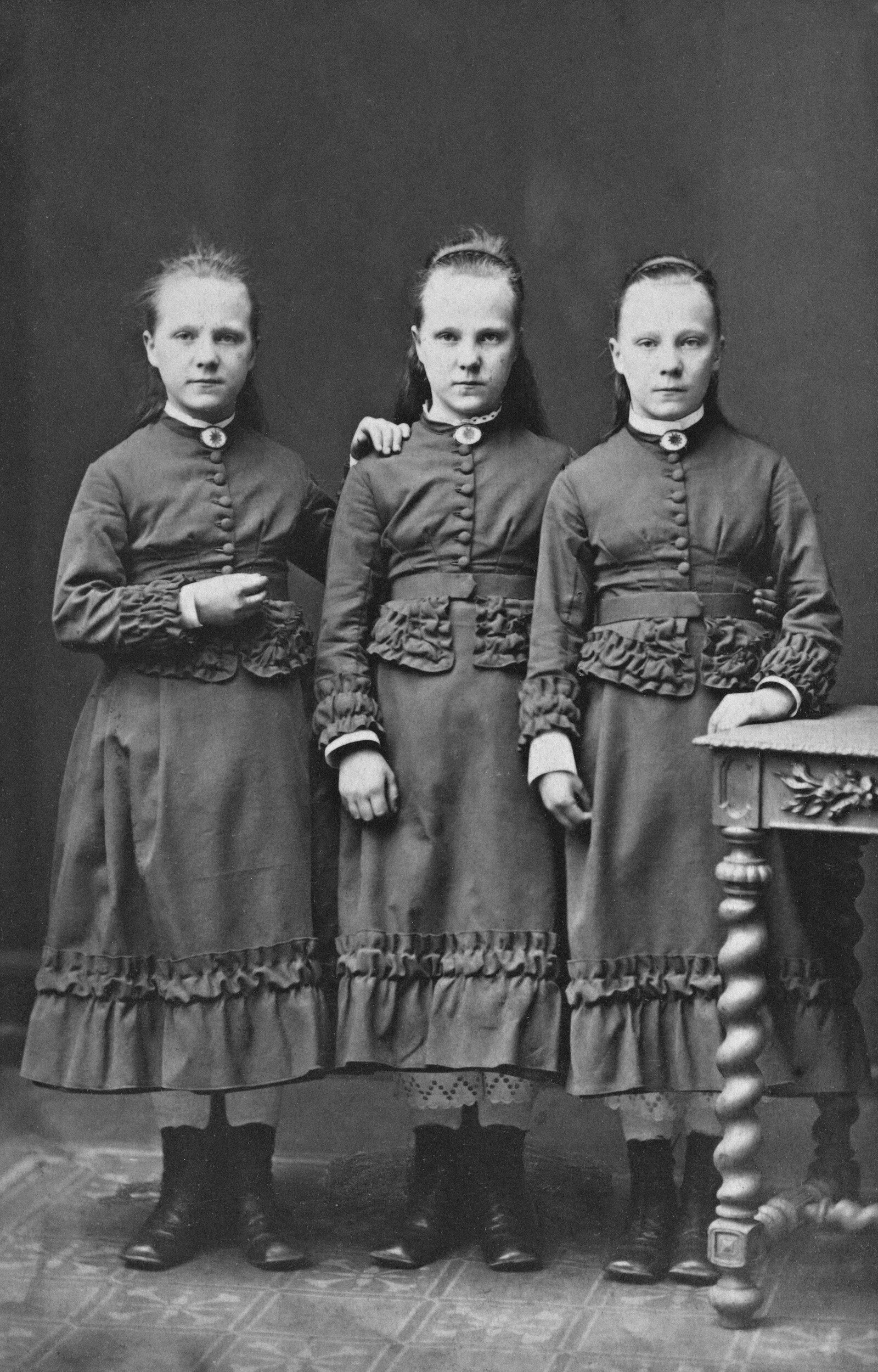
Myth of the Ordinary Midwife Part 1
Myth of the Ordinary Midwife Part 1
In deposition for a professional negligence lawsuit against a Certified Nurse-Midwife (CNM), the examining attorney’s opening question to the midwifery expert witness was this:
Attorney: Do you know what the learning and skill is expected of an ordinary midwife, yes or no?
Expert: Sir, I don’t know what an ordinary midwife is.

Glossary of Legal Terms Pertaining to Litigation
Legal Terms Pertaining to Litigation
Affidavit: A written statement made or taken under oath before an officer of the court (attorney) or a notary public or other individual authorized to act.

About the Website
These articles are intended to inform the best practices of certified nurse-midwives/certified midwives and the unique liability challenges that they face in clinical practice. The information provided will include, but is not limited to, standards of practice, midwifery liability challenges, hospital systems failures, professional conduct, avoiding litigation, cultures of care in corporate healthcare systems, and various legal considerations associated with safe practice.

Independent Nurse-Midwifery Practice
Nurse-midwives may choose to have their own practice, independent physically and financially from a collaborating physician. A variety of arrangements can exist and the CNM actually is in complete control of her practice. This type of arrangement is increasingly rare, these days but the following descriptions may prove helpful.

Certified Nurse-Midwife/Certified Midwife Homebirth Practice
Currently, in the U.S., the majority of home-birth attendants are Certified Professional Midwives (CPMs). In nearly every State, Certified Nurse-Midwives (CNMs) are licensed to attend home deliveries, if that is their preference.

Federal Agencies and Defining CNM Practice
Fed Agencies and CNM Practice
Federal agencies such as Health and Human Services and the Centers for Disease Control and Prevention have played a role in defining certified nurse-midwifery practice, especially in the context of research, training programs and clinical care sites.

State Legislation of Midwifery Practice Environments
Professional associations with other healthcare providers, such as physicians, are varied among States in regard to mandatory written collaborative agreements. The legislative requirements among CNMs/CMs are somewhat different from State-to-State. This affects whether CNMs can provide reproductive care to the full extent of their education, training, and scope of practice.

Clinical Practice Guidelines vs. Standard of Care in Litigation
Clinical Practice Guidelines:
Nurse-midwifery guidelines, policies, procedures, and protocols are not rules or standards, per se, but they exist to support reasonable conduct and quality of care.

What Are Clinical Practice Guidelines In Maternity Care?
Clinical Practice Guidelines
Clinical Practice Guidelines are recommendations for clinicians regarding the care of patients with specific conditions and ailments.

Hospital Credentialing of Midwives
Midwifery as practiced by certified nurse-midwives (CNMs) and certified midwives (CMs) encompasses the independent provision of care during pregnancy, childbirth, and the postpartum period; sexual and reproductive health; gynecologic health; and family planning services, including preconception care.

AMERICAN COLLEGE OF NURSE-MIDWIVES
Midwifery as practiced by certified nurse-midwives (CNMs) and certified midwives (CMs) encompasses the independent provision of care during pregnancy, childbirth, and the postpartum period; sexual and reproductive health; gynecologic health; and family planning services, including preconception care.

Federal Agencies and CNM Legal Practice
Federal agencies such as Health and Human Services and the Centers for Disease Control and Prevention have played a role in defining certified nurse-midwifery practice, especially in the context of research, training programs and clinical care sites. Federal agencies have also been known to publish treatment guidelines, which may define or limit how a CNM/CM will practice. 1 In similar fashion, programs such as Medicare and Medicaid establish guidelines for practice related to their reimbursement of clinicians and health care entities. Through the Health Care and Financing Act (HCFA), limits can be placed on the type and amount of care offered in a given care setting. *

Foundations For Legal Midwifery Practice: State Legislation
State Legislation of Practice Environments and Collabotative Agreements:
Professional associations with other healthcare providers, such as physicians, are varied among States in regard to mandatory written collaborative contracts. The legislative requirements for CNMs/CM vary from State to State. Legislation-imposed collaborative agreements affect whether CNMs/CMs can provide maternity care to the full extent of their education, training and scope of practice. Every State has designated the specific practice environments for CNMs. Some States allow CNMs and APRNs to practice with complete autonomy.

Foundations For Legal Certified Nurse-Midwifery/Certified Midwifery Practice and Boards of Nursing
Legal Foundations for practice
CNMs and CMs must demonstrate compliance with the Core Competencies for Basic Midwifery Practice of the American College of Nurse-Midwifery (ACNM) upon completion of their midwifery education programs and must practice according to the ACNM Standards for the Practice of Nurse-Midwifery.

Defining Clinical Practice Guidelines
Clinical Practice Guidelines are recommendations for clinicians caring for patients with specific conditions or ailments. The Institute of Medicine defines clinical practice guidelines (CPGs) as “statements that include recommendations, intended to optimize patient care, that are informed by a systemic review of evidence and an assessment of the benefits and harms of alternative care options”.1

Filing the Medical Negligence Lawsuit - Part 1
The court filing of a claim for medical negligence normally occurs after hours and weeks of law firm research, review, and preparation. Initially, a potential plaintiff, or injured party, will contact a law office to discuss whether or not they may have a viable claim. With personal injury, initial contact from an injured party will typically be fielded by a legal assistant or paralegal with experience evaluating the merits of a potential case. He or she will interview the caller, take notes, and ask pertinent questions regarding the circumstances of the injury. Essential information will also be noted regarding ongoing health issues that have persisted since the purported negligent event.

Nurse-Midwifery Care Settings
Hospitals where CNMs are employed can be university hospitals associated with medical schools, private teaching hospitals, community hospitals, government hospitals, military hospitals or critical access hospitals.

ACNM Core Competencies for Basic Midwifery Practice
The Core Competencies for Basic Midwifery Practice include the fundamental knowledge, skills, and abilities expected of new midwives certified by the American Midwifery Certification Board (AMCB). They serve as guidelines for educators, students, health care professionals, consumers, employers, and policymakers. The Core Competencies constitute the basic requisites for graduates of all midwifery education programs pre-accredited or accredited by the Accreditation Commission for Midwifery Education (ACME). They are inclusive of the hallmarks of midwifery practice.